Digital Signage (Sinalização Digital ou Sinalética Digital)
1 de junho de 2023
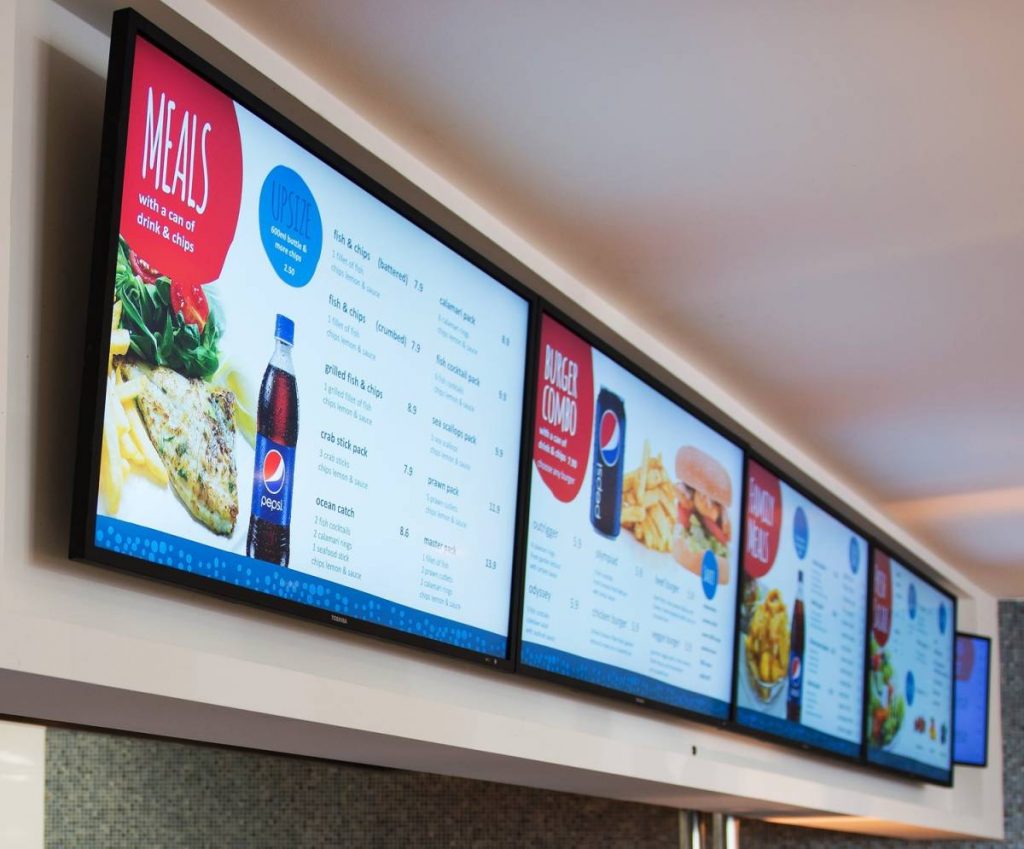
As nossas soluções de digital signage são flexíveis, o que torna fácil para se adaptar a praticamente qualquer projecto e envolver qualquer público.
O que é o Digital Signage e como funciona esta tecnologia?
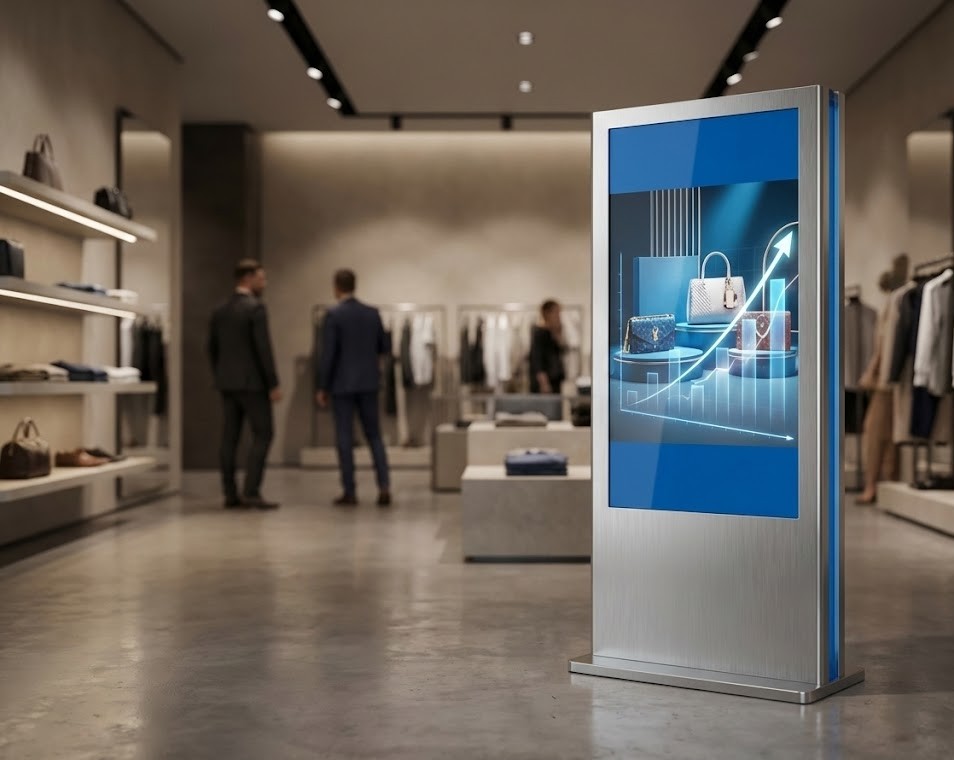
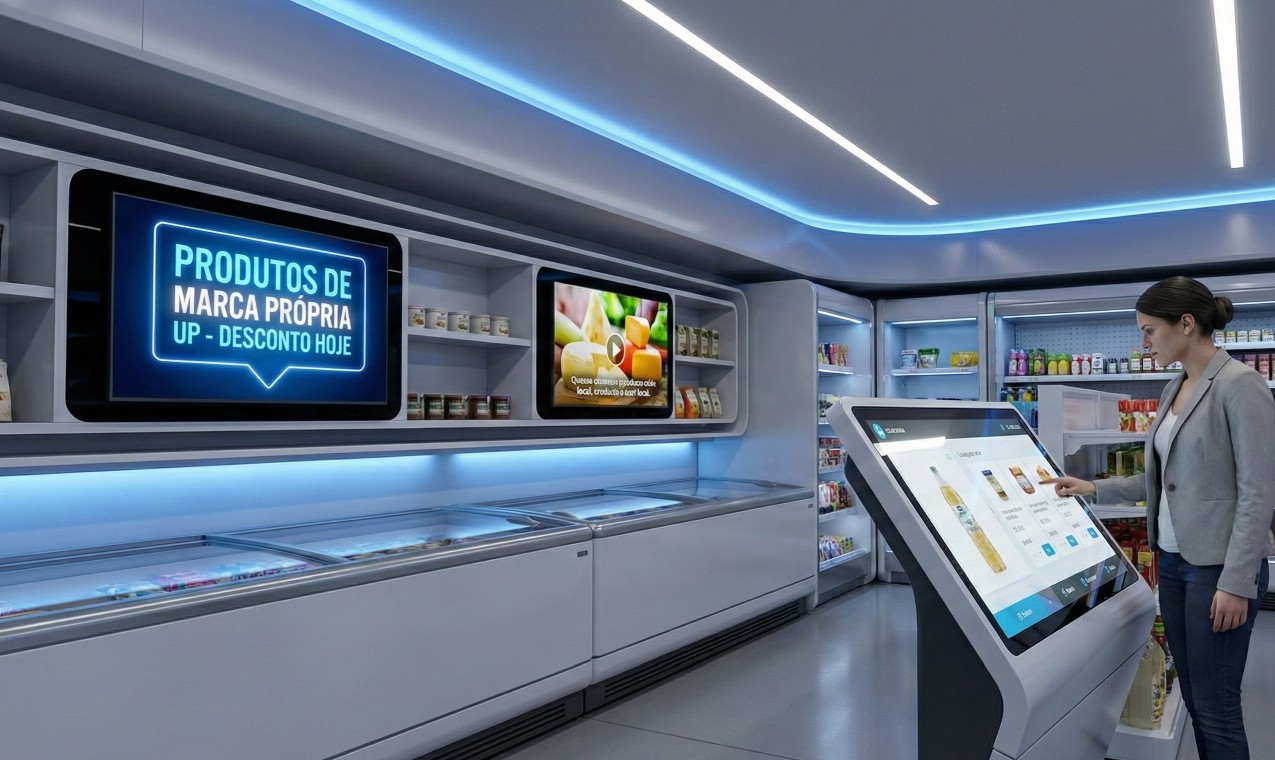
O Digital Signage é um canal de comunicação que utiliza painéis eletrónicos (LCD, LED, projeção) para exibir conteúdos multimédia de forma dinâmica e gerível remotamente, contrastando com a publicidade estática tradicional em papel ou lona.
Embora historicamente fosse uma tecnologia exclusiva de grandes corporações e infraestruturas governamentais (como aeroportos), a evolução do hardware democratizou o acesso. Em 2026, o Digital Signage é omnipresente em espaços públicos, retalho, museus, hotéis e edifícios corporativos. O objetivo central é triplo: fornecer orientação (wayfinding), entretenimento e publicidade exterior (DOOH - Digital Out Of Home), utilizando conectividade em nuvem para atualizações em tempo real.

Quais são as principais vantagens do Digital Signage para as empresas?
A principal vantagem é a capacidade de converter tráfego passivo em vendas ativas através de conteúdo dinâmico contextualizado. Ao substituir suportes estáticos por digitais, as marcas obtêm mensurabilidade e flexibilidade.
Aqui estão os dados de mercado mais recentes sobre o impacto desta tecnologia:
1. Qual é o impacto no comportamento do consumidor?
Os menus e expositores digitais influenciam diretamente a decisão de compra no ponto de venda. Dados recentes do setor de retalho indicam que cerca de 30% a 35% dos clientes alteram a sua escolha ou adicionam itens ao pedido quando expostos a sugestões visuais dinâmicas em alta definição, em comparação com cardápios estáticos.
2. O Digital Signage aumenta realmente o volume de vendas?
Sim, a implementação estratégica de ecrãs pode aumentar o volume de vendas em mais de 30%. A exibição de promoções relâmpago, demonstrações de produto e campanhas exclusivas capta a atenção involuntária do consumidor ("olhar periférico"), incentivando a compra por impulso de forma mais eficaz que a sinalética impressa.
3. Como funciona a redução da perceção do tempo de espera?
A sinalética digital reduz a perceção do tempo de espera em até 40%. Ao ocupar cognitivamente o cliente com conteúdos de entretenimento ou informativos nas zonas de caixa e filas, a ansiedade diminui e a experiência de loja melhora, transformando um momento de inatividade numa oportunidade de branding.
4. Existe redução de custos operacionais?
Ao escolher a nossa solução de montras digitais tem ao seu dispor uma equipa de profissionais preparada para gerir de forma centralizada a sua rede digital. A gestão centralizada elimina recorrentemente os custos de impressão, logística e instalação física associados aos materiais tradicionais (Roll Up’s, vinis, flyers). Com a solução da WOST, a atualização de campanhas é instantânea e sem custos marginais por alteração, libertando a equipa interna para tarefas de maior valor acrescentado.
5. Favorece a Fidelização do Cliente
Ao investir na nossa solução de Digital Signage, a sua empresa pode se focar no seu core business sem a preocupação da gestão dos ecrãs, diminui a percepção do tempo de espera dos seus clientes, retem a atenção e aumenta a sua satisfação o que, consequentemente, reflecte-se no aumento das suas vendas e na fidelização da sua marca.
Na WOST dispomos de várias soluções para os diferentes tipos de mercado e sectores e temos um conjunto de ferramentas tecnologicamente desenvolvidas que dão resposta aos maiores desafios. Desafie-nos.
O Digital Signage em Portugal
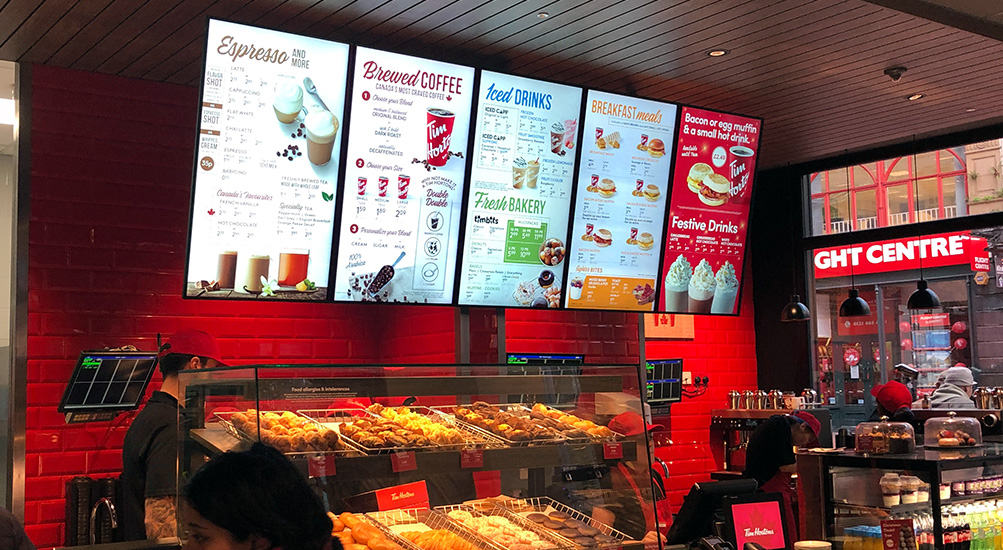
Em Portugal, desde do lançamento da primeira rede de mupis digitais em 21 centros comerciais Sonae Sierra em 2011, que a utilização de soluções de sinalização digital tem vindo a aumentar. Encontra-se neste momento em rápida expansão e é um veiculo de comunicação que, a semelhança de outros países do mundo, esta sempre presente no nosso dia-a-dia.
Atualmente, Portugal acompanha as tendências globais de Smart Cities, com ecrãs presentes no quotidiano da população urbana. A WOST posiciona-se na vanguarda deste movimento, capitalizando a experiência de instalação e gestão daquela que foi a primeira rede digital de publicidade no país (cerca de 500 ecrãs), garantindo know-how técnico e estratégico.
Quanto custa implementar uma solução de Digital Signage em 2026?
O custo de uma solução de sinalética digital varia conforme a escala, mas divide-se invariavelmente em cinco categorias de investimento.
Para um orçamento preciso, deve considerar:
Hardware: Ecrãs profissionais (distintos de TVs domésticas), media players, suportes e cablagem.
Software: Licenças de CMS (Content Management System) para gestão de dispositivos e reprodução.
Conectividade: Infraestrutura de rede (Wi-Fi, Ethernet ou 5G) para atualização remota.
Instalação: Serviços técnicos de implementação física e configuração de rede.
Criação de Conteúdo: O custo recorrente mais crítico — design e adaptação de vídeos/imagens para manter a rede relevante.
O erro comum é focar apenas no hardware inicial. Uma solução robusta deve prever a longevidade tecnológica para 3 a 5 anos.
Mas Quanto Custa Realmente Uma Solução de Sinalização Digital?
Há uma percepção errada de que a sinalização digital custa uma fortuna só porque é digital.
Por exemplo, ao visitarmos um centro comercial vemos marcas de ponta e lojas de luxo (ex. Apple) decoradas com soluções de sinalização digital e associamos as duas. Também por este motivo, muitas empresas ou instituições de menor dimensão, compreensivelmente, nunca consideraram a adopção desta tecnologia.
As PME acreditam que uma solução destas pode ser muito cara ou extremamente difícil de configurar.
Isto já não acontece.
Não precisa de se preocupar em comprar soluções que daqui um par de anos estao desactualizadas ou de ter de contratar mais um elemento para a sua equipa para gerir todos os seus conteúdos.
A WOST vem nivelar o “jogo” e fornece alugueres de baixo valor com a mais recente tecnologia a nível de brilhos e cores nos seus ecrãs, gestão remota de conteúdos, manutenção técnica preventiva, apoio ao cliente 24/7, tudo numa só mensalidade… E ainda oferecemos a instalação.
Está pronto para modernizar a sua comunicação visual? Conheça as nossas soluções de Montras Digitais e Mupis Digitais e peça uma simulação ajustada à sua realidade
Entre em contacto connosco.