Publicidade Interativa em 2025: Vantagens, Exemplos e ROI
13 de setembro de 2023
Publicidade Interativa em 2025: O Que É e Como Aumenta o ROI das Empresas
Numa era digital saturada, onde o consumidor médio é exposto a milhares de impressões diárias, a passividade é o maior inimigo das marcas. A "cegueira a banners" (banner blindness) é real, e os métodos estáticos perderam eficácia. Neste cenário, a publicidade interativa não é apenas uma "opção inovadora", é uma necessidade estratégica para captar a atenção na Economia da Atenção.
O que é a publicidade interativa e como funciona atualmente?
A publicidade interativa define-se como qualquer formato de anúncio que exige uma ação ativa e mensurável do utilizador — como clicar, deslizar, falar ou jogar — transformando-o de espectador passivo em participante.
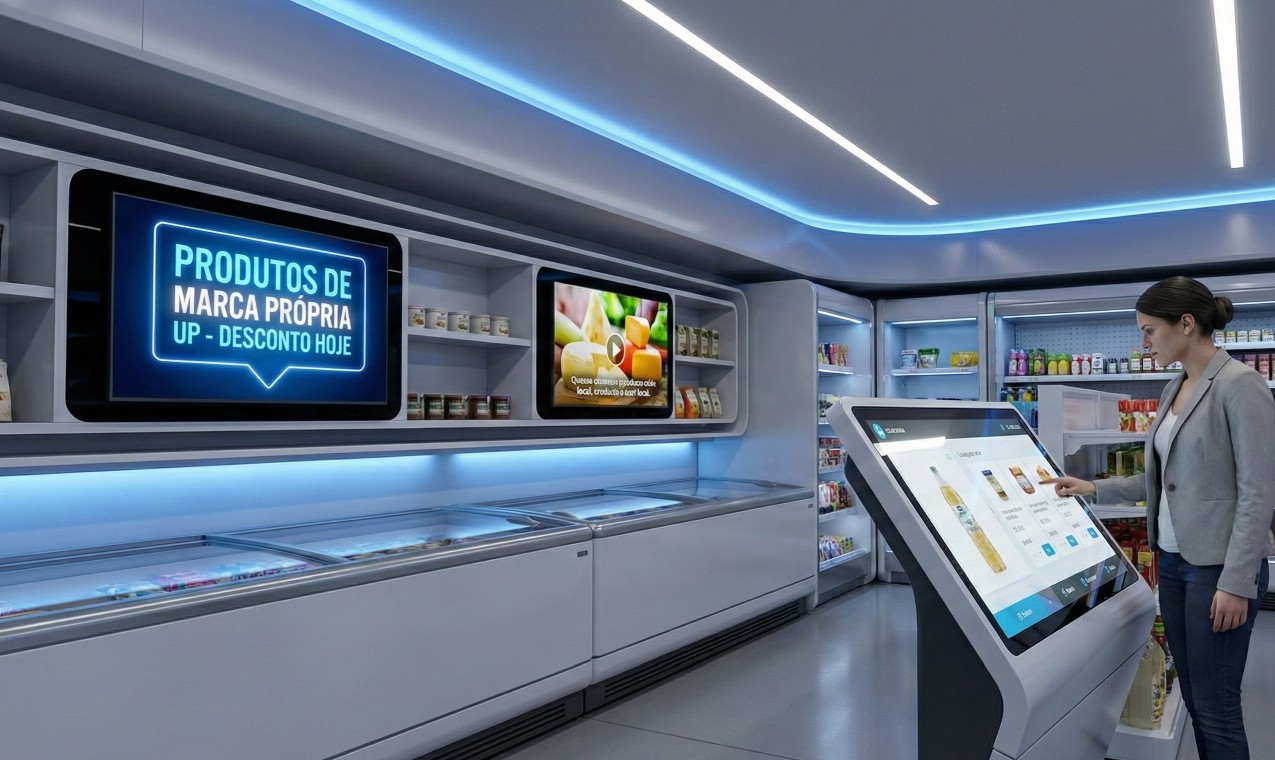
Ao contrário dos anúncios estáticos tradicionais, que apenas comunicam uma mensagem unidirecional, a publicidade interativa cria um diálogo bidirecional. Em 2025, isto evoluiu para incluir experiências sofisticadas como Shoppable Videos (vídeos com links de compra direta), lentes de Realidade Aumentada (AR) e sondagens em tempo real nas redes sociais. A tecnologia permite agora que a interação ocorra instantaneamente, muitas vezes sem que o utilizador tenha de sair da plataforma onde navega.
Com o conceito definido, é fundamental compreender o impacto real que esta abordagem tem nos resultados do negócio.
Quais são as principais vantagens dos anúncios interativos vs. estáticos?
Os anúncios interativos geram, em média, o dobro da taxa de conversão comparativamente aos formatos estáticos, devido ao aumento do tempo de permanência e envolvimento cognitivo.
Como o consumidor moderno tem uma tolerância muito baixa para interrupções irrelevantes — optando frequentemente por ignorar ou "saltar" anúncios (skip ads) —, a interatividade funciona como um convite e não como uma imposição. As vantagens competitivas incluem:
Maior Retenção de Memória: Ao executar uma ação física (tocar, arrastar), o cérebro do consumidor regista a marca com maior intensidade.
Personalização via IA: Algoritmos de 2025 ajustam o conteúdo do anúncio em tempo real baseados na interação inicial do utilizador.
Viralidade: Formatos gamificados (playable ads) têm uma probabilidade significativamente maior de serem partilhados organicamente.
Para além do envolvimento superficial, existe um benefício estratégico profundo relacionado com a recolha de dados, que exploraremos de seguida.
Como é que a interatividade melhora a recolha de dados e o feedback do consumidor?
A publicidade interativa permite a recolha de Zero-Party Data, ou seja, dados que o consumidor partilha voluntariamente e proativamente com a marca durante a interação.
Enquanto a publicidade tradicional depende de métricas de vaidade (como visualizações), a vertente interativa oferece insights comportamentais concretos. Por exemplo, num anúncio que pede ao utilizador para escolher entre dois produtos ("Prefere sapatilhas vermelhas ou azuis?"), a empresa não só envolve o cliente como obtém uma preferência direta que pode ser usada para retargeting imediato.
Este feedback direto elimina a "adivinhação" no marketing. A marca deixa de tratar o consumidor como um número abstrato e passa a comunicar de forma personalizada e consentida. Numa sociedade preocupada com a privacidade, obter dados desta forma transparente é um ativo inestimável.
Porque deve a sua empresa investir em publicidade interativa agora?
Investir em publicidade interativa aumenta o Retorno Sobre o Investimento (ROI) ao reduzir o desperdício de orçamento em impressões que não geram memória ou ação.
A "exaustão de anúncios" é combatida pela novidade e relevância. O contacto direto aproxima o cliente do produto, encurtando o funil de vendas. Se a sua empresa procura não apenas ser vista, mas ser lembrada e escolhida, a componente criativa e tecnológica dos anúncios interativos é o diferenciador crucial para 2025 e anos seguintes.