O que é DOOH? Guia de Publicidade Digital Exterior (2025)
12 de setembro de 2023
O que é DOOH? O Futuro da Publicidade Digital Exterior em 2025
A publicidade exterior evoluiu. Já não se trata apenas de cartazes estáticos, mas de ecrãs inteligentes, integrados e dinâmicos. Se procura modernizar a comunicação da sua marca, o DOOH (Digital Out of Home) é a resposta.
O que significa DOOH (Digital Out of Home)?
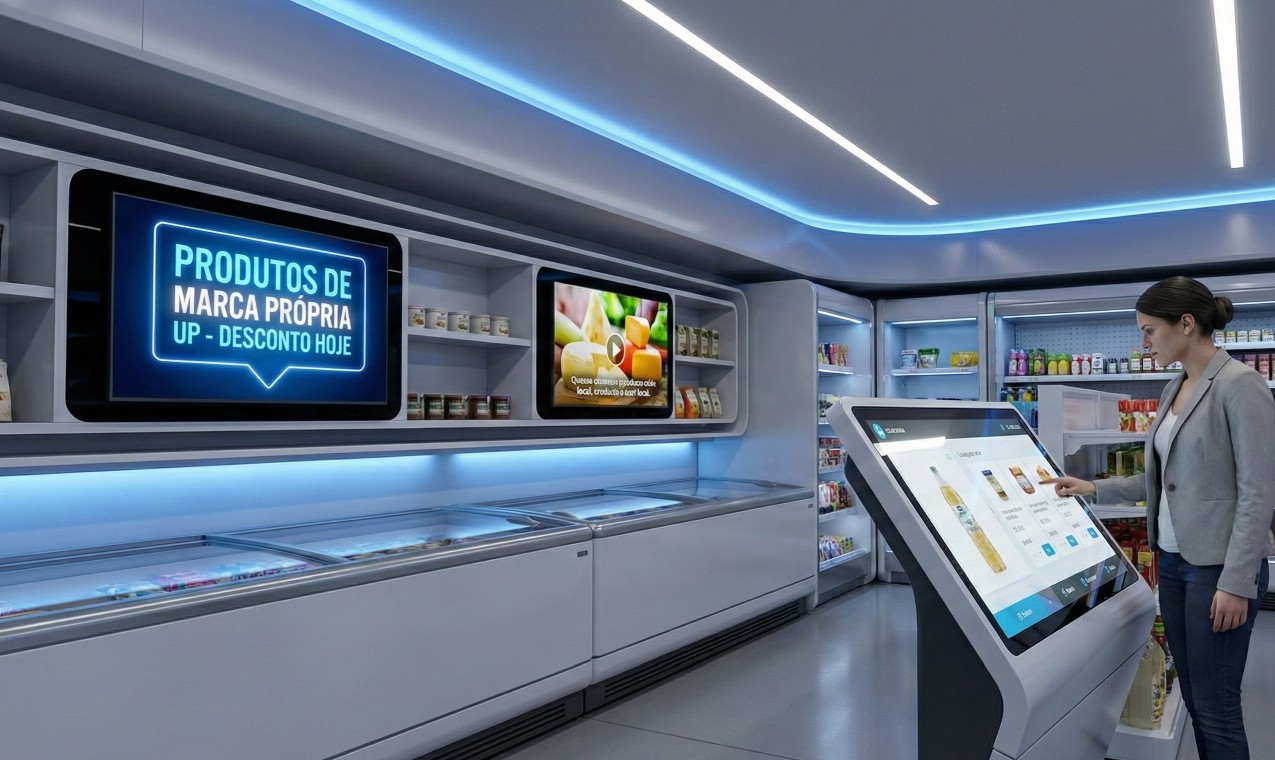
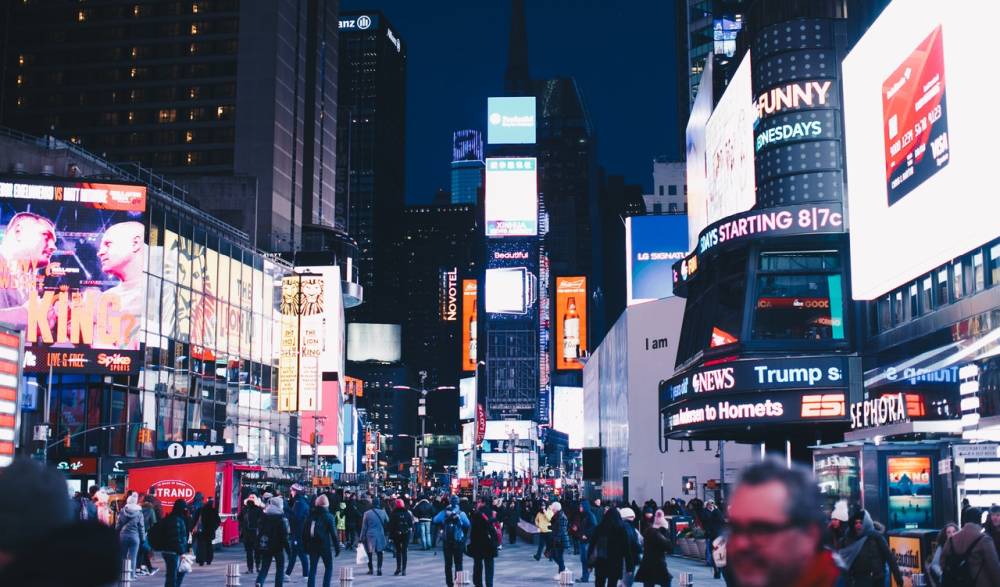
DOOH refere-se à publicidade exibida em ecrãs digitais localizados em ambientes públicos, como ruas, centros comerciais, aeroportos e transportes. Ao contrário do Out of Home (OOH) tradicional, que utiliza cartazes de papel estáticos, o DOOH permite conteúdos de vídeo, animação e, mais recentemente, gestão em tempo real através de plataformas programáticas (pDOOH).
A grande vantagem técnica reside na flexibilidade. Enquanto um mupi tradicional exige uma impressão física e uma substituição manual, uma campanha de DOOH pode ser carregada, alterada ou agendada remotamente em segundos. Isto expande as possibilidades criativas, permitindo que a mensagem se adapte ao contexto (hora do dia, estado do tempo ou notícias de última hora).
Sabendo o que é, a questão lógica é: será que funciona melhor do que o digital clássico?
Porque é que o DOOH capta mais atenção que os anúncios online?
O DOOH é imune ao "banner blindness" (cegueira de faixas) e aos ad-blockers, garantindo 100% de visibilidade num momento em que o consumidor está ativo e alerta fora de casa.
Estudos recentes de mercado (2024/2025) indicam uma fadiga crescente com a publicidade em dispositivos pessoais. Dados da indústria revelam que cerca de 73% dos consumidores veem os anúncios DOOH de forma favorável, comparado com apenas cerca de 48% para as redes sociais e 37% para anúncios online, que são frequentemente considerados intrusivos.
A eficácia reside no contexto. Um ecrã digital num ambiente urbano rompe a paisagem sem interromper a navegação do utilizador (como acontece no YouTube ou Instagram). Além disso, a escala dos dispositivos — desde Mupis Digitais a ecrãs gigantes em praças — cria um impacto visual que o telemóvel não consegue replicar, aumentando a taxa de recordação da marca (brand recall).
Se a eficácia é superior, isso significa que o custo é proibitivo?
Qual é a relação Custo-Benefício (ROI) do DOOH?
O DOOH oferece um dos melhores ROI do mercado publicitário atual, permitindo campanhas escaláveis que vão desde um único ecrã local até redes nacionais, sem os custos de produção física.
Graças à ascensão do pDOOH (Programmatic DOOH) em 2025, o modelo de compra tornou-se semelhante ao das redes sociais: pode comprar por impressões, horários específicos ou gatilhos de audiência. Isto elimina o desperdício de orçamento, exibindo o anúncio apenas quando o seu público-alvo está estatisticamente presente no local.
É um meio mais económico e ágil do que as opções tradicionais. Não existem custos de impressão, colagem ou remoção de papel. Se detetar que uma criatividade não está a funcionar, pode substituí-la instantaneamente sem custos adicionais, maximizando a eficiência do investimento.
Que tendências de DOOH dominam em 2025?
O mercado global de DOOH continua em expansão, com projeções a apontar para um valor superior a 28 mil milhões de dólares em 2025. As grandes tendências que impulsionam este crescimento incluem:
Integração com IA: Algoritmos que ajustam a criatividade em tempo real baseados na audiência que passa em frente ao ecrã.
Sinergia Mobile: Utilização de dados de geolocalização para fazer retargeting no telemóvel de quem passou pelos seus ecrãs digitais.
Interatividade: Conexão imediata entre o anúncio e o smartphone do utilizador via QR Codes dinâmicos ou NFC.
Procura soluções de DOOH para a sua empresa? Contamos com uma equipa especializada nas tecnologias de sinalização digital mais recentes de 2025. Transforme a sua visibilidade urbana hoje.