Digital Signage em Postos de Combustível: Guia de ROI e Vendas (2026)
8 de fevereiro de 2026
Como o Digital Signage Está a Redefinir as Estações de Serviço em 2026?
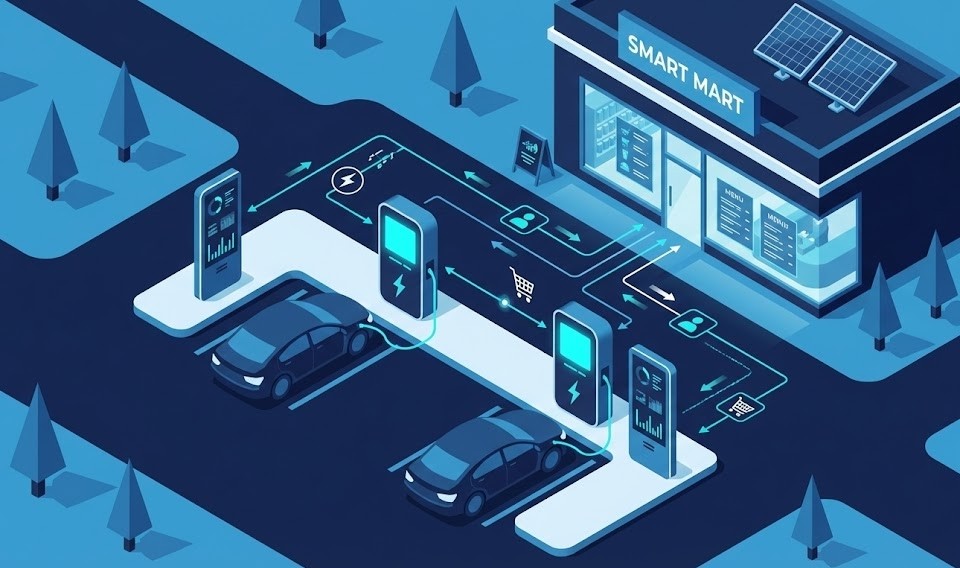
A comunicação visual em postos de combustível evoluiu de cartazes estáticos para ecossistemas digitais inteligentes. A integração de ecrãs nas bombas de gasolina e estações de carregamento elétrico (EV) com a sinalização digital da loja não serve apenas para "atrair clientes"—serve para converter o tempo de abastecimento em receita mensurável. Esta tecnologia combina totens digitais com gestão de conteúdos baseada em IA, otimizando operações e maximizando o lucro por visita.
Quais são os benefícios comprovados do digital signage em postos de combustível?
A implementação de digital signage em postos de combustível aumenta as compras por impulso em até 40% e reduz a perceção do tempo de espera em 35%.
Para além do impacto imediato nas vendas, a digitalização oferece uma vantagem competitiva crucial contra grandes operadores como a Galp ou a Repsol: a agilidade.
Preços Dinâmicos: Atualização instantânea dos preços dos combustíveis e do kWh para carregamento elétrico, eliminando custos de sinalética física e erros manuais.
Captura de Atenção: Totens digitais exteriores de alto brilho (3.000+ nits) captam a atenção de condutores a alta velocidade, muito antes de entrarem na estação.
Conversão na Bomba/Carregador: Enquanto o cliente abastece, ecrãs integrados promovem produtos de margem elevada (cafetaria e grab-and-go), elevando o ticket médio global. Dados de mercado de 2025 indicam que 74% dos clientes admitem que o vídeo digital influenciou a sua decisão de compra no local.
Mas como é que esta tecnologia se aplica na prática para gerar estas vendas?
Como utilizar ecrãs digitais para potenciar vendas na loja de conveniência?
A estratégia mais eficaz consiste em utilizar dados contextuais (meteorologia e hora do dia) para exibir ofertas hiper-relevantes que direcionam o tráfego da pista para o interior da loja.
A "publicidade programática" local é o motor destas vendas. O software de gestão centralizada permite criar regras automáticas:
Gatilhos Meteorológicos: Se está a chover, os ecrãs nas bombas promovem escovas limpa-para-brisas e café quente. Se está acima de 25°C, promovem bebidas frescas e gelados.
Integração EV (Veículos Elétricos): O tempo de carregamento de um EV (15-30 mins) é superior ao abastecimento tradicional. Ecrãs nos postos de carregamento funcionam como beacons de entretenimento e publicidade, incentivando o condutor a esperar confortavelmente dentro da loja consumindo uma refeição.
Testes A/B em Tempo Real: As redes de postos podem testar diferentes criatividades nas montras digitais para ver qual gera mais tráfego pedonal, ajustando a campanha em horas, não semanas.
Com estas capacidades, qual é o retorno financeiro real para o proprietário?
Qual é o ROI esperado e o tempo de implementação?
O Retorno do Investimento (ROI) é tipicamente atingido entre 9 a 14 meses, impulsionado pelo aumento de 30% nas vendas de conveniência e pela venda de espaço publicitário a terceiros (DOOH).
A implementação deve ser escalável para garantir este retorno:
Fase Piloto: Instalação de ecrãs LED weatherproof (resistentes a intempéries) na entrada e tablets promocionais na zona de pagamento.
Validação de Métricas: Medição do uplift de vendas dos produtos anunciados versus período homólogo.
Expansão: Integração total com as bombas e carregadores EV.
A solução reduz ainda a ansiedade nas filas de espera, melhorando os índices de satisfação do cliente (NPS). Para empreendedores independentes, o modelo de negócio pode incluir a venda de slots publicitários a negócios locais (oficinas, imobiliárias) nos seus totens, criando uma nova linha de receita passiva.
Ideias Visuais Sugeridas (Para Equipa de Design/Media)
Gráfico de Barras: Comparativo de "Vendas de Café" em dias de chuva: Sem Ecrãs vs. Com Promoção Contextual Ativa (Destacar o crescimento de 40%).
Foto Realista: Um posto de carregamento elétrico noturno com um ecrã vibrante a exibir uma oferta de "Menu Almoço", contrastando com a escuridão envolvente.
Infográfico de Fluxo: O percurso do cliente: Visualiza Totem na Estrada -> Vê Anúncio na Bomba -> Entra na Loja -> Compra Adicional.
Pronto para modernizar a sua infraestrutura? Contacte os nossos especialistas para uma auditoria técnica gratuita e descubra como o digital signage pode transformar o seu posto num hub de retalho rentável.