Digital Signage para Farmácias: Guia de Vendas e Regulação 2026
Digital Signage para Farmácias em Portugal: Guia Estratégico 2026
O Digital Signage para farmácias é uma infraestrutura de comunicação visual que utiliza ecrãs conectados para aumentar vendas, reduzir a perceção do tempo de espera e educar o utente. Em 2026, esta tecnologia deixou de ser apenas "televisão corporativa" para se tornar uma ferramenta central de Retail Media, essencial num mercado nacional altamente regulado e competitivo.
O que é o Digital Signage no contexto farmacêutico?
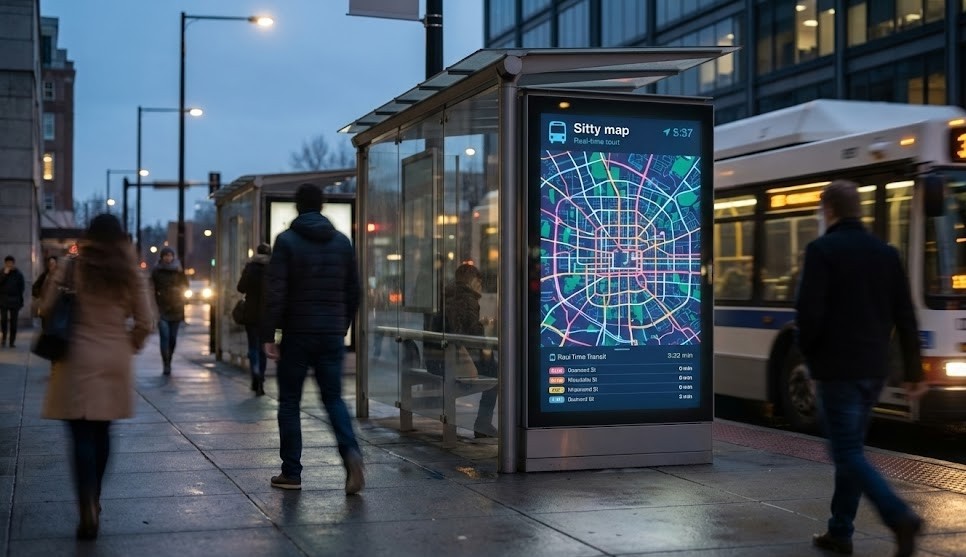
O Digital Signage (sinalização digital) consiste numa rede de ecrãs gerida centralmente que transmite conteúdos dinâmicos em tempo real para áreas estratégicas da farmácia. Ao contrário da carteleria estática, permite segmentar mensagens por horário, meteorologia ou stock, cobrindo desde a montra até ao balcão de atendimento.
Para além da vertente tecnológica, funciona como um canal de "saúde digital" que moderniza a experiência do utente no ponto de venda físico. Mas porque é que este investimento é crítico agora?
Porque devem as farmácias portuguesas investir em ecrãs digitais em 2026?
As farmácias devem investir na digitalização porque a pressão sobre as margens exige uma diversificação eficaz de receitas em categorias como dermocosmética, OTCs e serviços clínicos. Com o espaço físico limitado, o Digital Signage atua como uma "prateleira infinita", permitindo comunicar centenas de referências e serviços sem poluição visual.
Em 2026, a tendência de Smart Retail em Portugal dita que o consumidor espera uma experiência híbrida. Ferramentas digitais ajudam o utente a decidir mais rápido, aumentando o ticket médio e libertando a equipa técnica para o aconselhamento farmacêutico especializado.
Quais os benefícios comprovados do Digital Signage na saúde?
A implementação correta de ecrãs digitais gera retorno mensurável em quatro vetores principais:
- Redução da perceção de espera: Conteúdos de "infotainment" (informação + entretenimento) reduzem a perceção negativa do tempo de espera, melhorando a satisfação do utente nas horas de ponta.
- Aumento de Vendas e Cross-Selling: A exibição estratégica de promoções e produtos sazonais (ex: solares, antigripais) junto ao balcão ou nas gôndolas incentiva a compra por impulso, potenciando produtos de margem elevada.
- Literacia em Saúde: Ecrãs dedicados permitem amplificar campanhas de saúde pública (vacinação, diabetes, hipertensão), cumprindo a missão social da farmácia com clareza visual.
- Otimização Operacional: A integração com sistemas de gestão de filas (senhas digitais no ecrã) organiza o fluxo da loja e diminui a ansiedade na sala de espera.
Sabendo os benefícios, onde devem ser instalados estes equipamentos?
Onde instalar os ecrãs para maximizar o impacto na farmácia?
Os locais de instalação devem seguir a jornada do utente dentro do espaço:
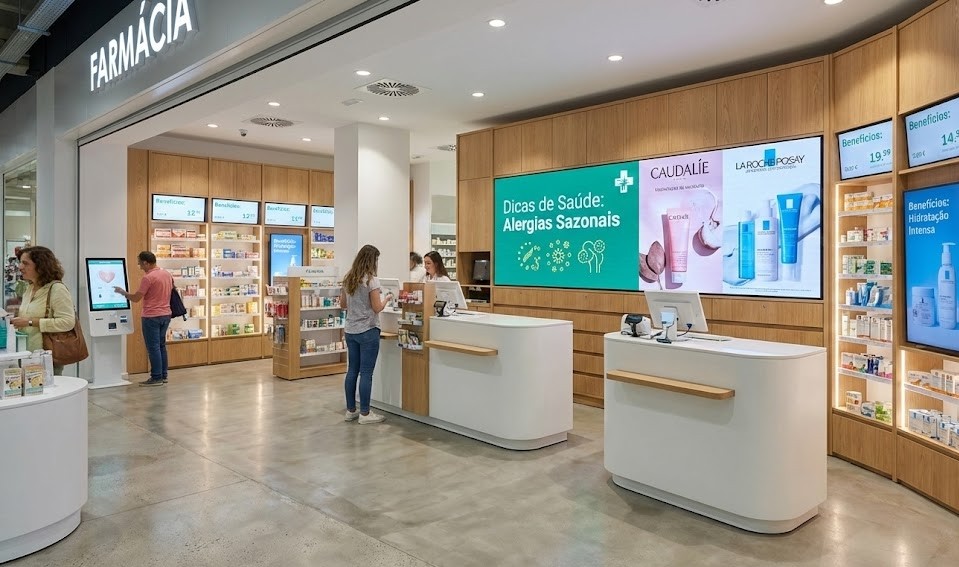
- Montra Digital (Atração): Ecrãs de alto brilho virados para a rua captam a atenção do tráfego pedonal, comunicando serviços (testes, injetáveis) e campanhas de laboratórios 24 horas por dia.
- Zona de Espera (Retenção): É o local ideal para conteúdos educativos mais longos e institucionais, intercalados com a chamada de senhas, aproveitando o tempo "morto" do utente.
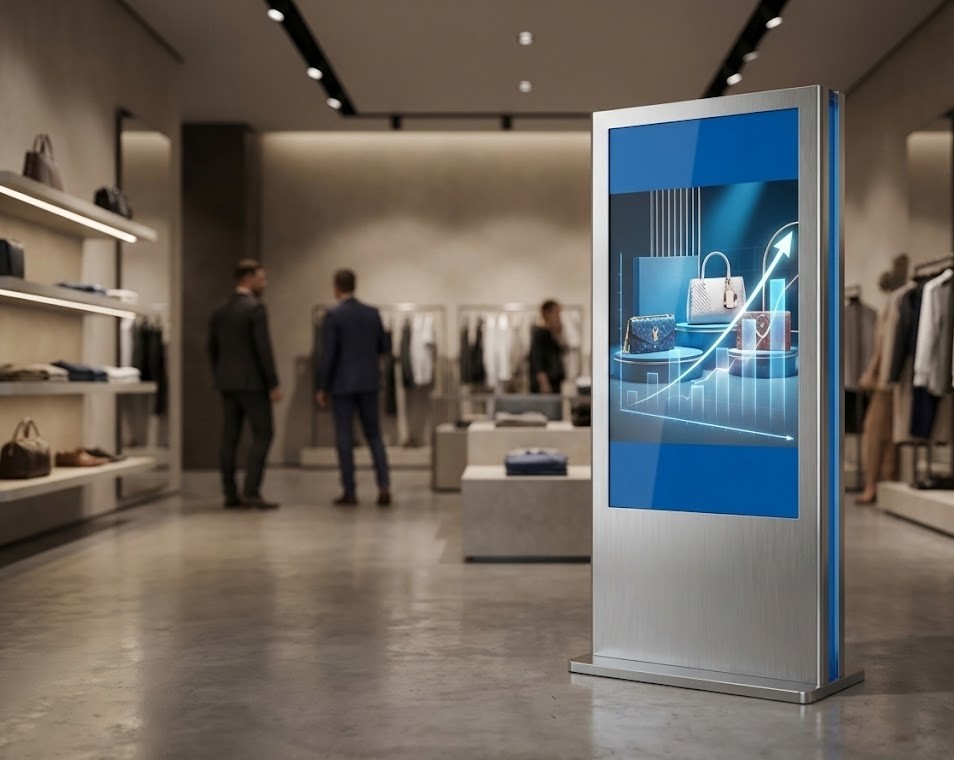
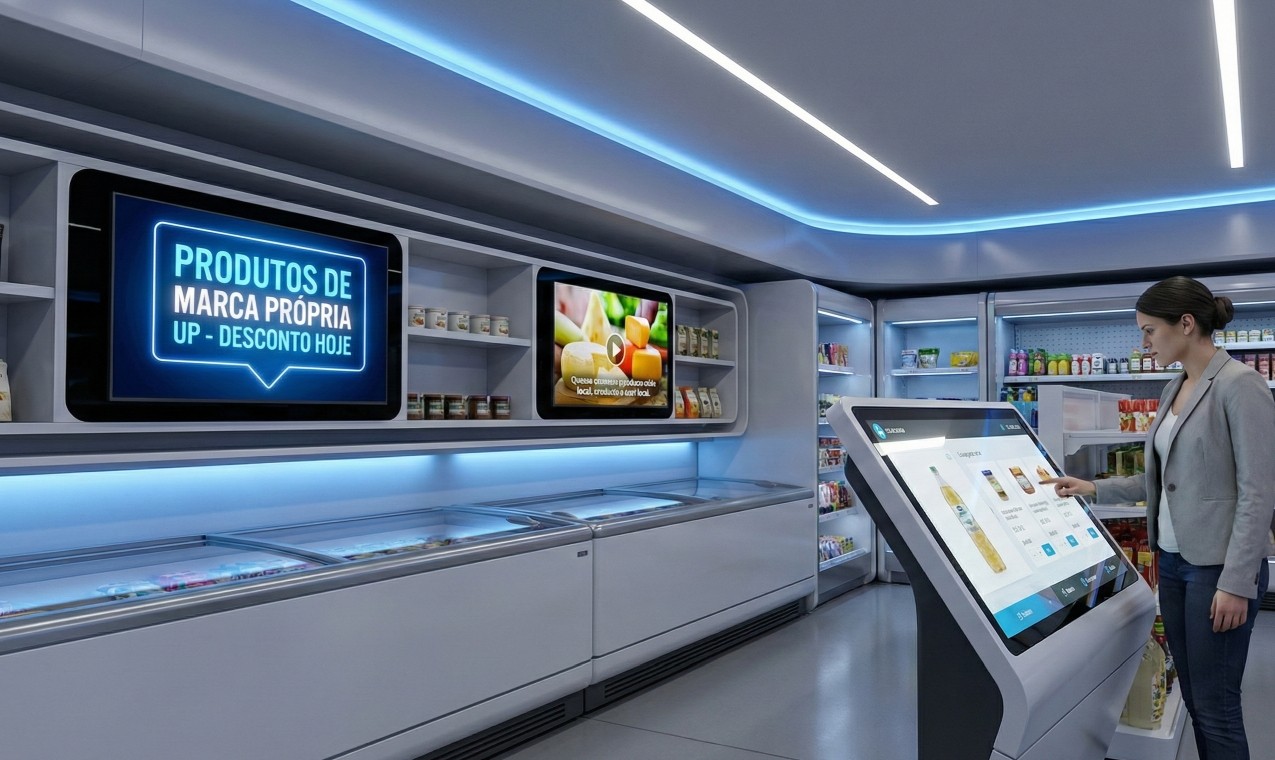
- Balcão e Lineares (Conversão): Pequenos displays junto aos produtos (shelf-talkers digitais) ou no balcão atuam no momento da decisão de compra, sugerindo complementares (ex: vitamina C ao comprar antigripal).
- Gabinetes de Serviços: Ecrãs informativos reforçam o posicionamento clínico, promovendo programas de adesão à terapêutica ou novos serviços de check-up.
Contudo, a comunicação em saúde exige cuidados legais.
Que regras de publicidade (Infarmed) se aplicam aos ecrãs?
A comunicação digital em farmácias deve cumprir rigorosamente o Estatuto do Medicamento e as diretrizes da autoridade reguladora nacional (Infarmed) sobre publicidade. É proibido publicitar medicamentos sujeitos a receita médica (MSRM) ao público geral e as alegações de saúde em suplementos e OTCs devem ser factualmemte corretas e não enganosas.
Boas práticas de Compliance:
- Separar claramente informação técnica de conteúdo comercial.
- Usar linguagem moderada, evitando o alarmismo.
- Incluir sempre a menção para aconselhamento com o farmacêutico.
Uma vez garantida a conformidade, o que devemos transmitir?
Qual a melhor estratégia de conteúdos para 2026?
Uma grelha de conteúdos eficaz segue a regra 60/30/10: 60% informação útil, 30% promoção e 10% institucional.
- Conteúdo Educativo: Dicas de prevenção sazonal, uso correto de dispositivos (inaladores) e literacia em saúde.
- Conteúdo Comercial: Promoções de parafarmácia, packs promocionais e campanhas de fidelização.
- Conteúdo Contextual: Informação local (eventos da comunidade), meteorologia e datas comemorativas da saúde (ex: Dia Mundial do Coração).
- Institucional: Apresentação da equipa técnica, horários e serviços farmacêuticos disponíveis.
Como escolher o parceiro e hardware de Digital Signage?
A escolha deve recair sobre soluções "chave na mão" especializadas no setor da saúde, garantindo suporte técnico e robustez do equipamento.
Critérios de Seleção:
- Hardware Profissional: Ecrãs preparados para uso 24/7, com tratamento antirreflexo e brilho adequado (especialmente em montras expostas ao sol).
- Software (CMS) na Nuvem: Capacidade de gestão remota, agendamento de playlists (manhã vs. tarde) e integração com outros sistemas da farmácia.
- Criação de Conteúdos: O parceiro disponibiliza templates ou produz conteúdos específicos para farmácia? Isto é vital para equipas com pouco tempo.
Conclusão
O Digital Signage não é o futuro, é o presente das farmácias modernas em Portugal. Ao transformar o espaço físico num canal de comunicação dinâmico, a farmácia reforça a sua autoridade, melhora a experiência do utente e aumenta a rentabilidade. O passo seguinte é realizar um diagnóstico do espaço para identificar os pontos de maior impacto visual.
Outras Publicações